Macro Photography Lens: Nikon Closeup King
- 1.
What Exactly Makes a Lens a “Macro Photography Lens Nikon”?
- 2.
Hold Up—Is Your 50mm Actually a Macro Lens?
- 3.
Can Literally *Any* Lens Do Macro? Technically Yes, Practically Meh
- 4.
Why the Nikon 105mm f/2.8G Remains the Gold Standard
- 5.
Breaking Down the Trade-Offs: What Sucks About Macro Lenses?
- 6.
Zoom vs Prime in Macro: Spoiler—Prime Wins, Always
- 7.
Field Tips: How Pros Actually Use Their Macro Lens Outside the Studio
- 8.
Accessories That Turn Good Macro Into Damn-Near Art
- 9.
Common Beginner Blunders (And How to Dodge ’Em)
- 10.
Where to Go From Here: Your Macro Journey Starts Now
Table of Contents
macro photography lens nikon
What Exactly Makes a Lens a “Macro Photography Lens Nikon”?
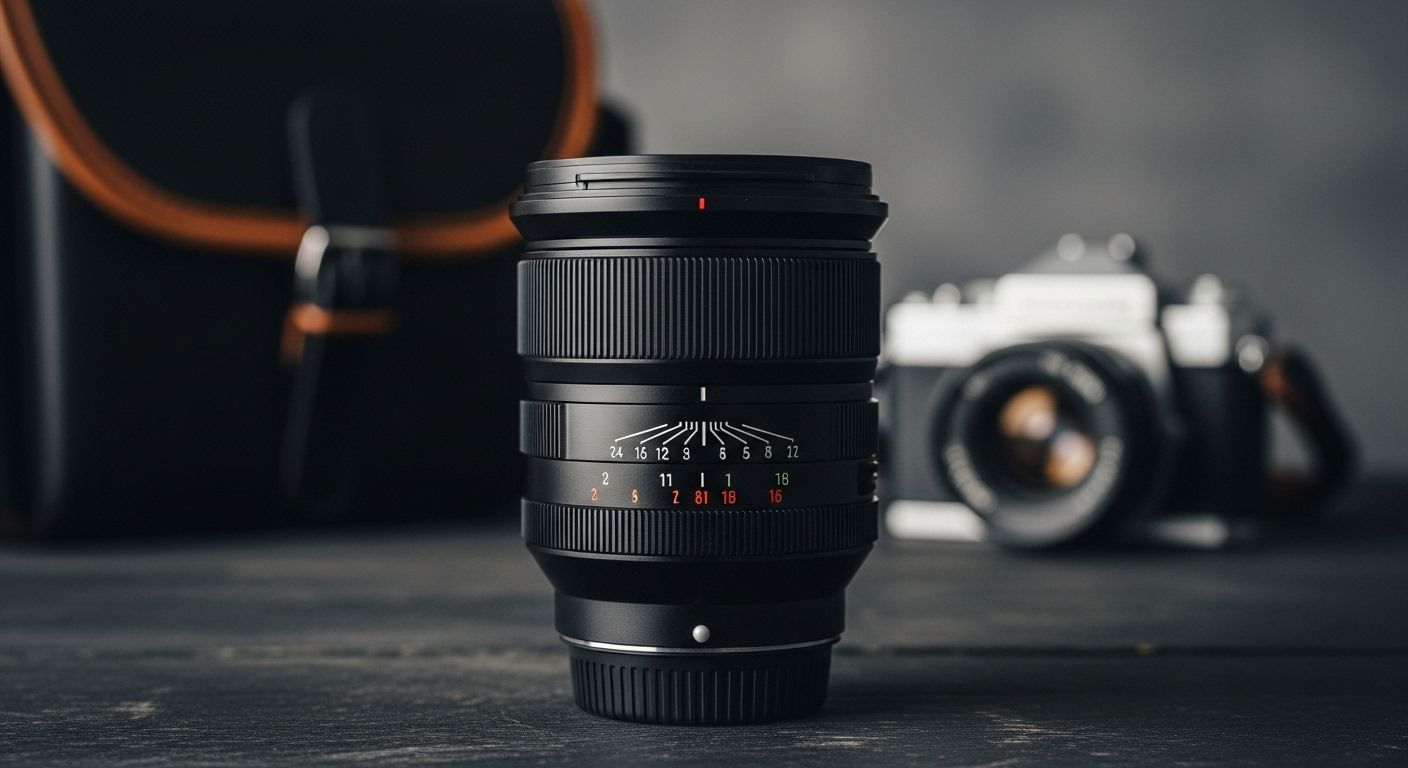
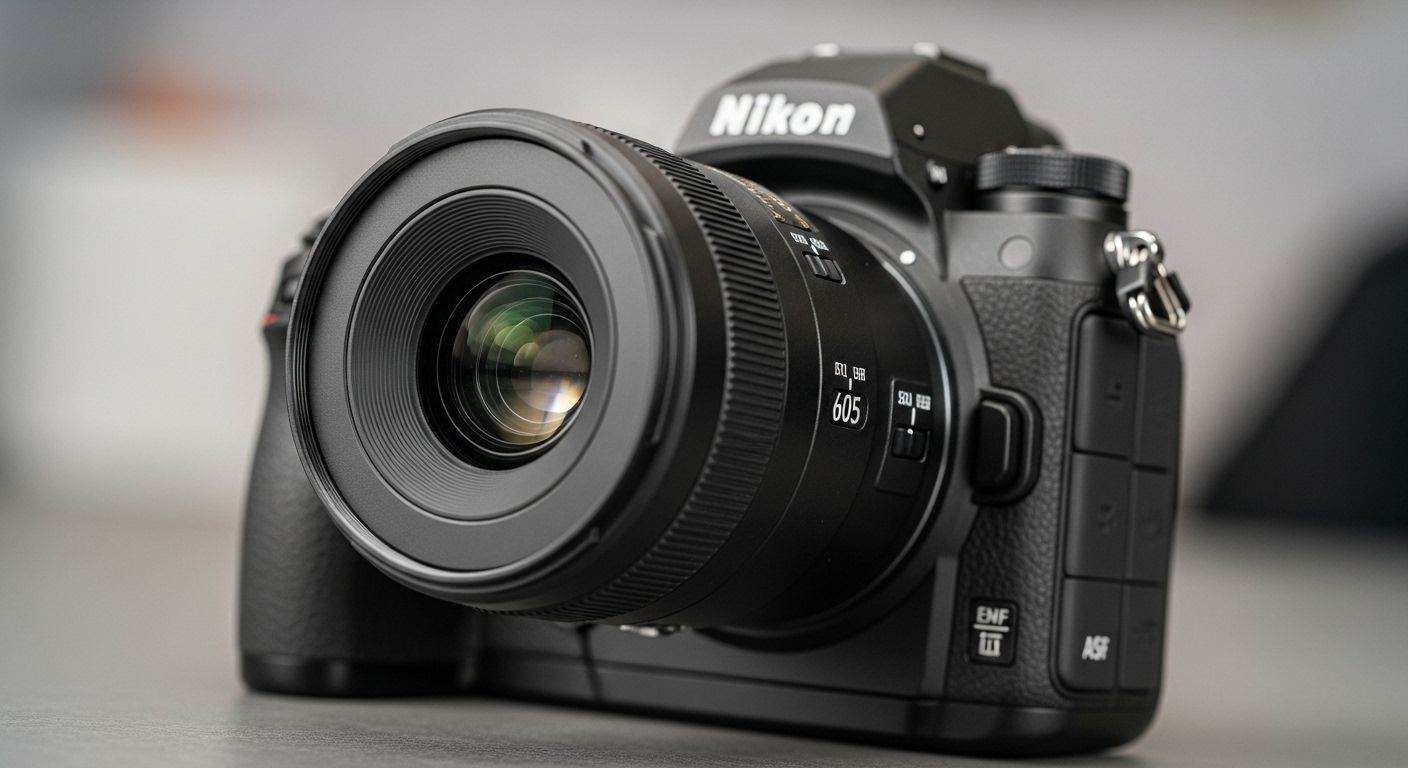
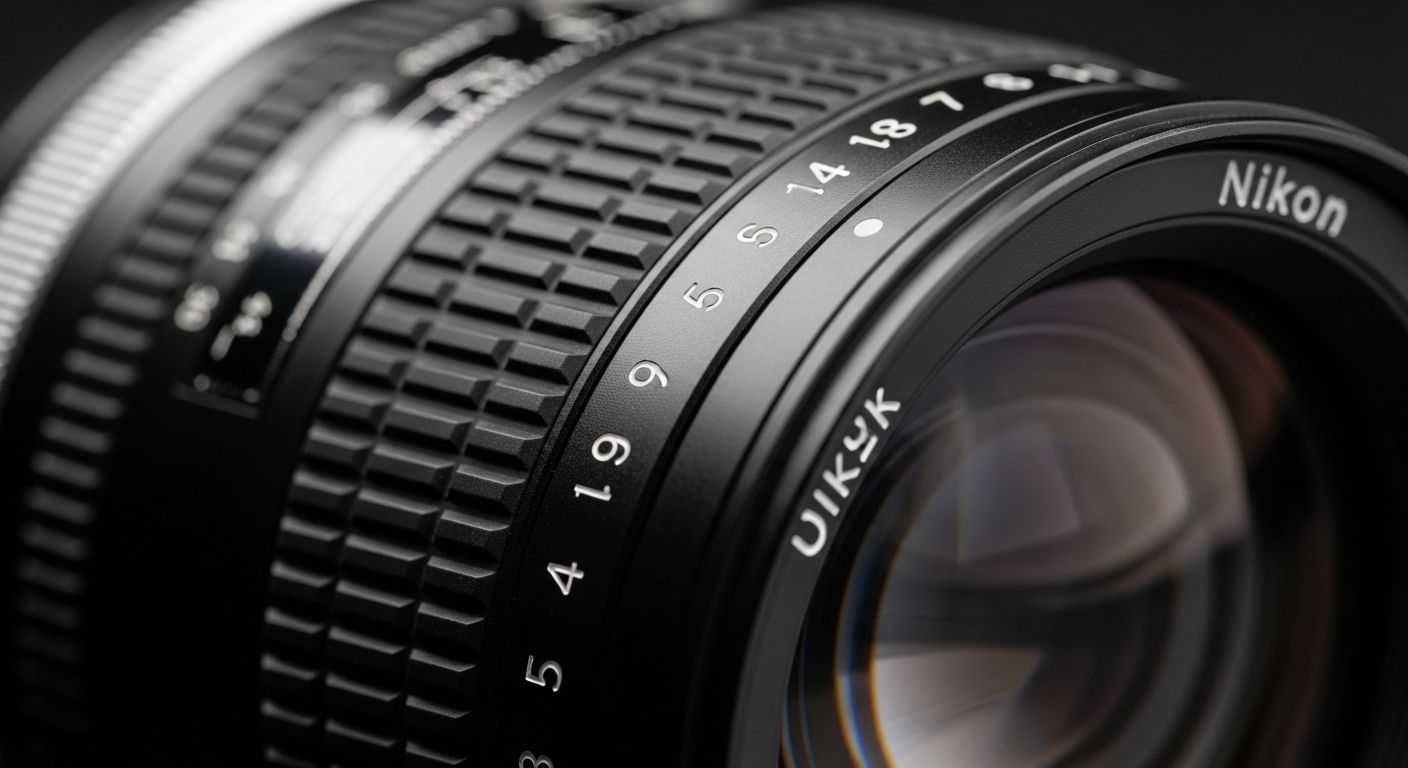
A genuine macro photography lens nikon isn’t just any glass with a close-focus trick—it’s engineered for 1:1 magnification or higher, meaning the subject’s life-size on your sensor. Nikon’s lineup (like the legendary AF-S VR Micro-Nikkor 105mm f/2.8G IF-ED) delivers razor-sharp focus, buttery bokeh, and enough working distance so you don't scare off that praying mantis mid-pose. Unlike regular lenses that “get kinda close,” true macro lenses maintain optical integrity even at whispering distance.
Hold Up—Is Your 50mm Actually a Macro Lens?
You might’ve heard folks call the Nikkor 50mm f/1.8 a “budget macro,” but let’s clear the air: nope, not really. While it can focus fairly close and deliver dreamy portraits, it maxes out around 1:5 magnification—nowhere near true macro territory. You *can* slap on extension tubes or close-up filters, sure, but then you’re trading light, autofocus, and image quality. If you’re dead serious about macro photography lens nikon results, skip the hacks and go purpose-built.
Can Literally *Any* Lens Do Macro? Technically Yes, Practically Meh
In theory? Heck yeah—flip a lens backward with a reversing ring, stack vintage glass, or duct-tape a magnifying glass (okay, maybe not that last one). But here’s the rub: most lenses weren’t designed to focus this close, so you’ll wrestle with distortion, vignetting, and focus breathing like you’re filming a horror flick. A dedicated macro photography lens nikon eliminates that circus act with internal focusing groups and flat-field correction so your ant colony doesn’t look like it’s melting into Salvador Dalí’s clock.
Why the Nikon 105mm f/2.8G Remains the Gold Standard
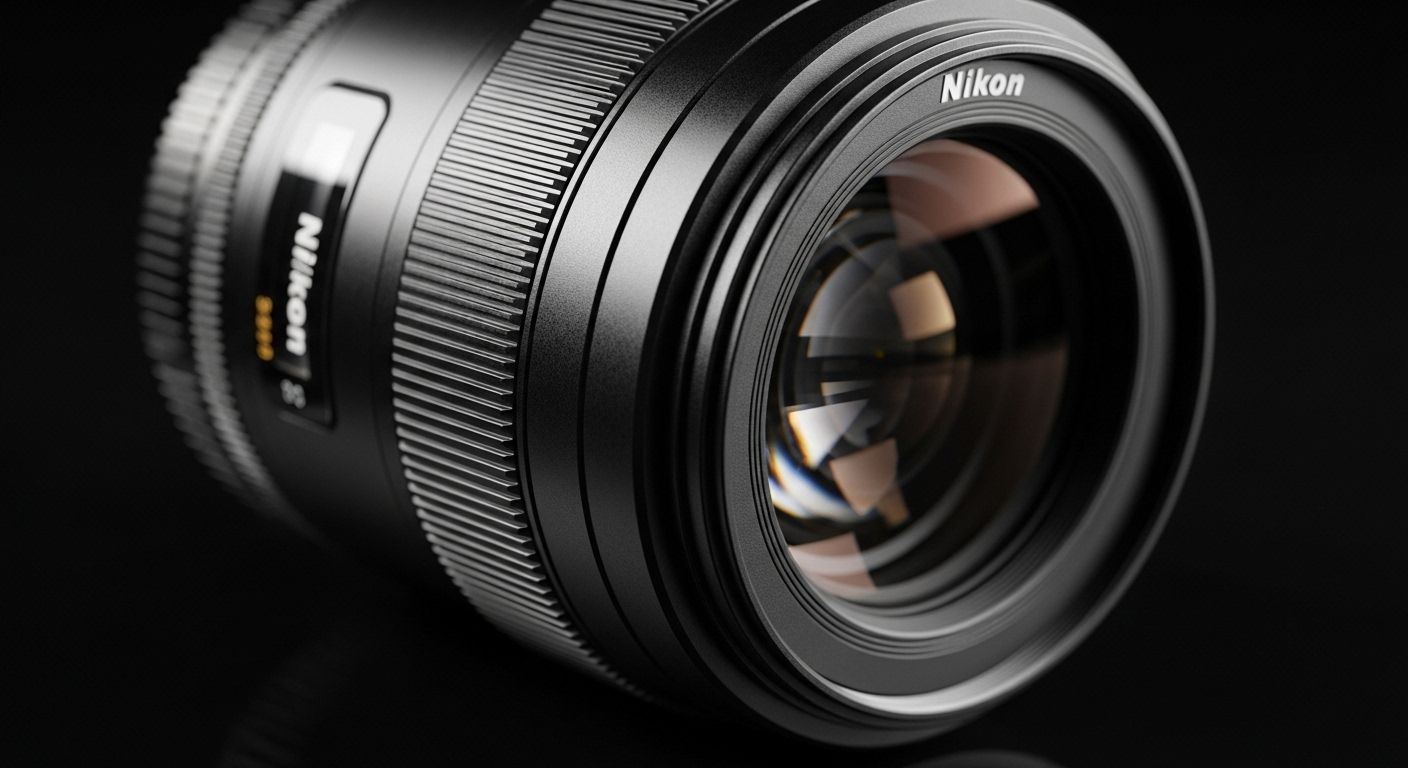
This beast’s got legs—optical legs, that is. With VR (Vibration Reduction), nano crystal coat anti-ghosting, and a silent-wave motor smoother than a jazz sax solo at midnight, the 105mm macro doesn’t just take close-ups—it crafts heirlooms. Wildlife photographers, entomologists, and jewelry e-commerce folks swear by it. It’s also versatile: shoot portraits, products, or fungi in fog—all with that unmistakable macro photography lens nikon clarity that says, “I didn’t just try; I *committed*.”
Breaking Down the Trade-Offs: What Sucks About Macro Lenses?
Alright, let’s get real—no gear’s perfect. Macro photography lens nikon models often cost north of $900 USD, weigh like a small cat, and have shallow depth of field so narrow you’ll spend half your shoot adjusting focus by millimeters. Plus, working outdoors? Wind becomes your nemesis. A butterfly flaps? Your shot’s toast. And don’t even think about handheld in low light unless you’ve got ninja-level stabilization or, y’know, the Nikon 105mm’s built-in VR saving your bacon.
Zoom vs Prime in Macro: Spoiler—Prime Wins, Always
Some might tempt you with “macro zooms,” but let’s be honest—that’s like calling a plastic spork a fine-dining utensil. Zoom macros rarely hit true 1:1, and their optics? Compromised. A prime macro photography lens nikon locks in one focal length (usually 60mm, 105mm, or 200mm), optimizing every element for sharpness and minimal aberration. The 105mm? Sweet spot for insects and flowers. The 200mm? For skittish subjects or when your subject bites back.
Field Tips: How Pros Actually Use Their Macro Lens Outside the Studio
Pro tip: bring a diffuser (a white sock over your flash works wonders), a bean bag for stability, and patience thicker than New England clam chowder. Shoot early morning when bugs are sleepy and dew’s still clingin’ like gossip. Use manual focus—autofocus hunts like it’s lost in the woods. And never forget: with a macro photography lens nikon, your biggest enemy isn’t bad light—it’s your own shaky breath. Exhale, click. Repeat.
Accessories That Turn Good Macro Into Damn-Near Art
Pair your macro photography lens nikon with the right extras, and you’re golden:
- Focus rail: for pixel-perfect focus stacking
- LED ring light: soft, shadowless illumination
- Extension tubes: zero-optical-loss magnification boost
- Polarizing filter: cuts glare on wet surfaces
These don’t just “help”—they transform your setup from “cool close-up” to “museum-worthy detail.”
Common Beginner Blunders (And How to Dodge ’Em)
Newbies often crank wide open (f/2.8) and wonder why only one ant eye’s in focus. Newsflash: stop down to f/11 or f/16 for decent depth—then compensate with ISO or flash. Others forget to clean their lens hood; in macro, dust specks look like meteorites. And oh—don’t chase subjects. Wait. Observe. Let the world come to you. That’s the soul of macro photography lens nikon mastery: stillness in chaos.
Where to Go From Here: Your Macro Journey Starts Now
If you’re ready to dive deep into the unseen, start by exploring the essentials. Grab inspiration from the Valentin Chenaille homepage, browse the latest gear insights in our Gear section, or cross-train your skills with lenses that freeze motion in Good Lens for Sports Photography Action Freeze. Because mastering the macro photography lens nikon isn’t just about specs—it’s about seeing the world anew, one dewdrop at a time.
Frequently Asked Questions
What lens is used for macro photography?
A true macro photography lens—like the Nikon AF-S VR Micro-Nikkor 105mm f/2.8G—delivers 1:1 magnification and is specifically engineered for sharp, distortion-free close-ups. While other lenses can approximate macro with accessories, only a dedicated macro photography lens nikon guarantees optical precision at extreme close range.
Is a 50mm lens a macro lens?
Not inherently. Standard 50mm lenses (even Nikon’s sharp f/1.8G) typically offer only 1:5 magnification—nowhere near the 1:1 standard of true macro. You *can* adapt it with extension tubes, but you’ll lose light and autofocus. For authentic macro photography lens nikon performance, skip the workaround.
Can you use any lens for macro photography?
Technically, yes—but with heavy compromises. Reversed lenses, close-up filters, or extension tubes can enable macro-like shots, but image quality, contrast, and usability suffer. A purpose-built macro photography lens nikon eliminates these issues with optimized optics and reliable close-focusing mechanics.
What are the cons of macro lenses?
Macro lenses like the Nikon 105mm are expensive, heavy, and offer extremely shallow depth of field—requiring focus stacking or small apertures. They’re also sensitive to movement, making handheld shooting tricky. Still, for dedicated macro photography lens nikon work, these trade-offs are worth it for the unparalleled detail they capture.
References
- https://www.nikonusa.com/en/nikon-products/product/micro-lenses/af-s-vr-micro-nikkor-105mm-f%252f2.8g-if-ed.html
- https://www.dpreview.com/reviews/nikon-af-s-vr-micro-nikkor-105mm-f2-8g-if-ed
- https://www.bhphotovideo.com/explora/photography/tips-and-solutions/macro-photography-basics
- https://www.popphoto.com/macro-lens-buying-guide/