Best Lens to Use for Wedding Photography: Dream Day
- 1.
Understanding the Emotional Weight of a Wedding Day through Optics
- 2.
The Myth and Magic of the 50mm: Can It Really Handle a Whole Wedding?
- 3.
Zoom vs. Prime: The Eternal Lens Dilemma Under String Lights
- 4.
Low Light Warriors: Lenses That Shine When the Sun Says Goodbye
- 5.
Couples, Close-Ups, and the Intimacy of Focal Length
- 6.
What F-Stop Makes Hearts Skip? Aperture Wisdom from the Trenches
- 7.
Camera Bodies: Do They Really Dictate Your Lens Choices?
- 8.
The Forgotten Hero: Why a 35mm Might Be Your All-Day Sidekick
- 9.
Gear Lists from the Pros: What’s Actually in Their Bags?
- 10.
Beyond Megapixels: Choosing Lenses That Match Your Aesthetic Soul
Table of Contents
best lens to use for wedding photography
Understanding the Emotional Weight of a Wedding Day through Optics
Ever tried to photograph a tear rollin’ down a bride’s cheek with a fisheye lens? Yeah… buddy, don’t do that. Weddings ain’t just parties—they’re human symphonies stitched together with lace, vows, and that one uncle who cries during the toasts. To capture that magic right, you gotta choose the best lens to use for wedding photography like you’re pickin’ the perfect vinyl for your first slow dance—smooth, soulful, and full of heart. It’s not just about megapixels or creamy bokeh; it’s about feelin’ the moment. Whether it’s the groom messin’ with his tie like it’s a Rubik’s Cube or Grandma in the third row quietly dabbin’ her eyes with a lace hanky—your gear’s job is to turn pulsebeats into poetry. And let’s be real: nobody’ll remember your ISO was 1600… but they’ll never forget how their first kiss looked through your lens—soft, golden, and full of promise.
The Myth and Magic of the 50mm: Can It Really Handle a Whole Wedding?
Why the Nifty Fifty Still Holds Court in Wedding Kits
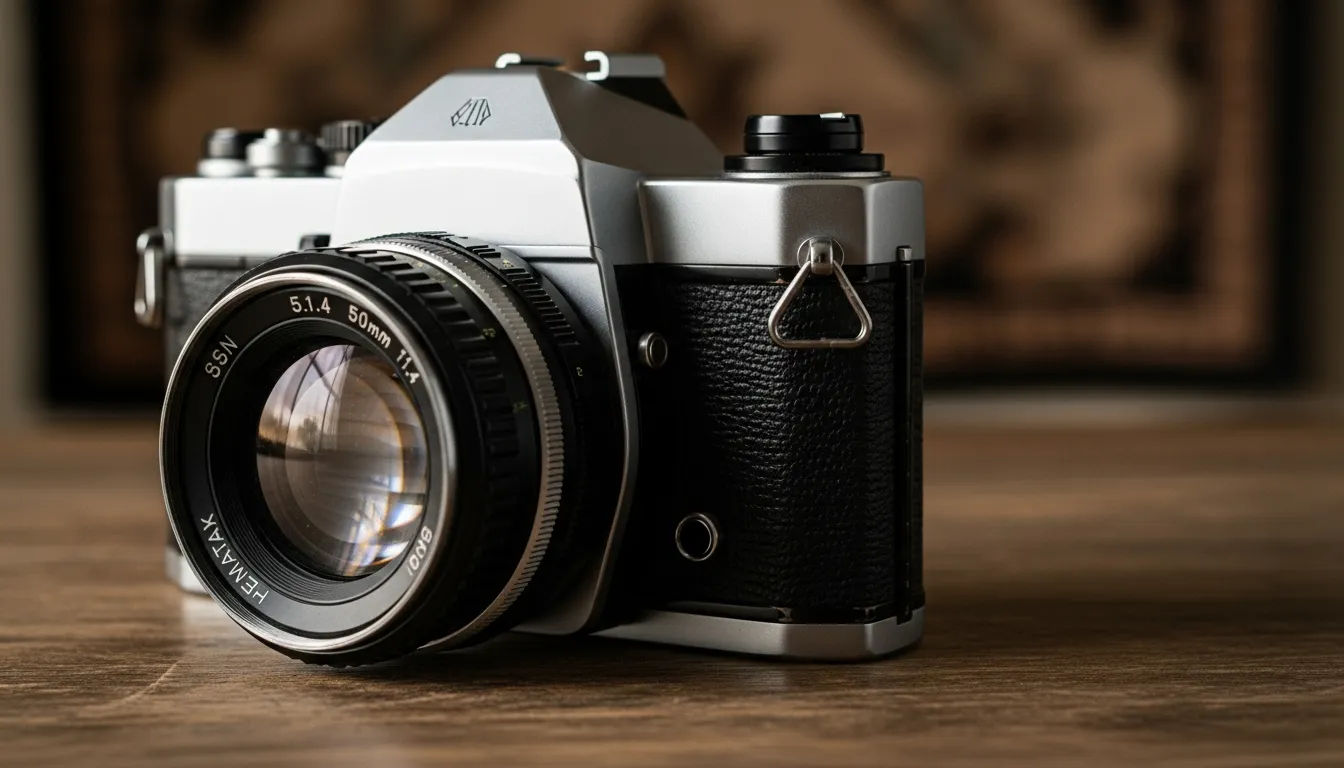
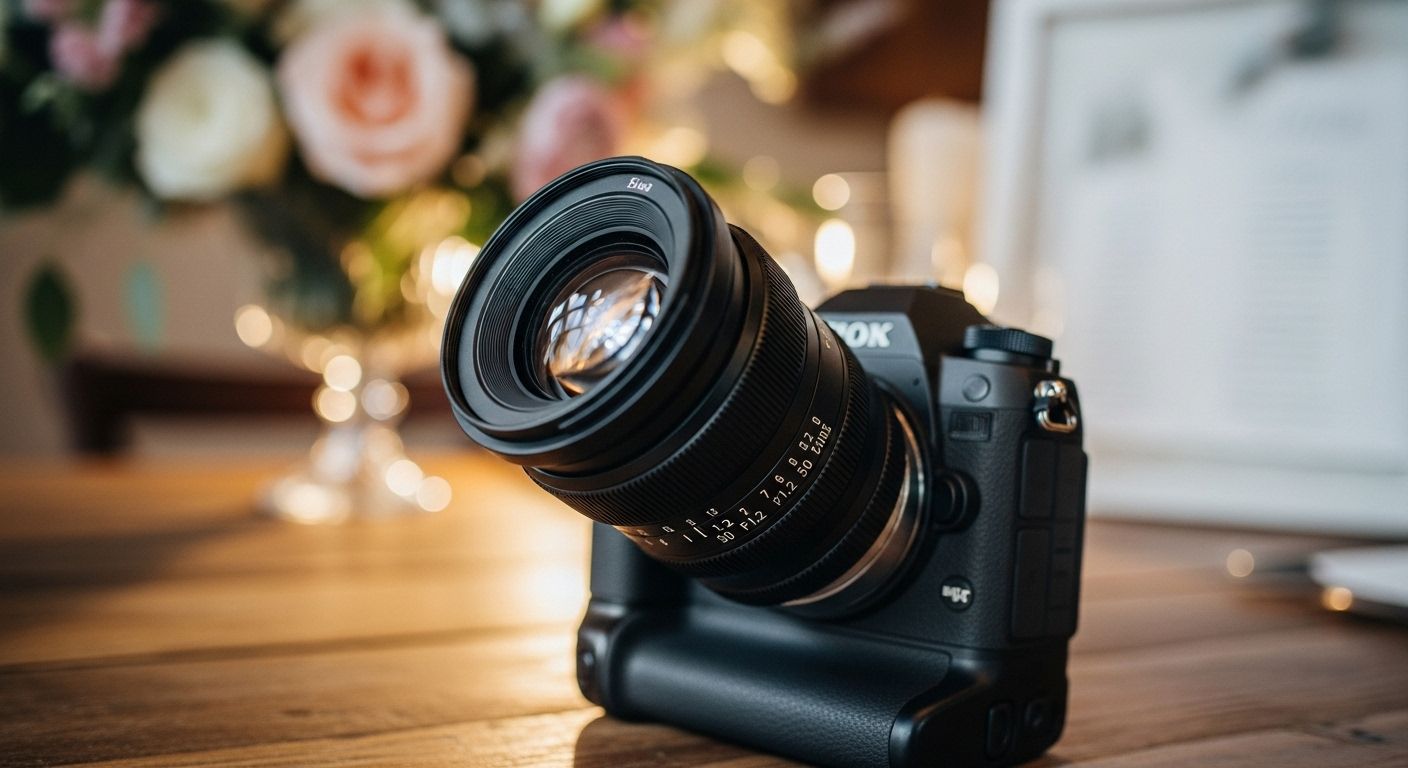
Y’all’ve heard the gospel: “You can shoot a whole dang wedding with just a 50mm!” And sure—technically? You absolutely can. That little f/1.8 (or its bougie big bro, the f/1.2) is light as a feather, cheap as diner coffee, and renders faces like they were painted by Botticelli himself. But let’s not sugarcoat it: unless you’re shufflin’ down the aisle like you own the place or sprintin’ from cake-cutting to family portraits like your tips depend on it (spoiler: they do), that fixed focal length might leave you sweatin’ bullets. Still, for those dim chapel moments or golden-hour portraits by the vineyard? The best lens to use for wedding photography often starts right here. It sees the world like your own two eyes—so your clients won’t look stretched like they just walked outta a carnival mirror. And honey, that’s worth more than all the confetti in Texas.
Zoom vs. Prime: The Eternal Lens Dilemma Under String Lights
When Flexibility Beats Perfection
Some shooters treat primes like sacred relics—sharp, fast, dreamy as a Brooklyn rooftop sunset. Others live and breathe zooms ‘cause they let you go from wide ceremony shots to ring close-ups without spilling your cold brew. Truth is? Wedding days are beautiful chaos—like tryin’ to choreograph a flash mob during a power outage. One minute you’re wide on the vows, next you’re crouched under a farm table snapping the flower girl nappin’ like a tiny angel. That’s where the 24-70mm f/2.8 comes in—the Swiss Army knife of your best lens to use for wedding photography kit. Reliable, tough, and always ready. Primes give you magic… but zooms give you sanity when Aunt Carol photobombs for the eleventh time in a row.
Low Light Warriors: Lenses That Shine When the Sun Says Goodbye
Hunting Golden Hour and Beyond with Fast Glass
Let’s get real: chapels are dimmer than a basement speakeasy, and barn receptions run on fairy lights and hope. Candlelight? Gorgeous—but it’ll murder your ISO faster than you can say “grainy disaster.” That’s where fast glass saves your bacon. Lenses like the 85mm f/1.4 or 35mm f/1.2 don’t just survive the shadows—they throw a party in ‘em. They gulp darkness and spit out velvet bokeh so smooth, those twinkle lights behind your couple look like constellations over Joshua Tree. If you’re chasin’ the best lens to use for wedding photography after dusk, you need glass that won’t force you into ISO purgatory. And bonus? That gentle compression makes your couple look like they’re floatin’ on a cloud—‘cause last I checked, love’s supposed to feel exactly like that.
Couples, Close-Ups, and the Intimacy of Focal Length
Why 85mm Might Be Your Secret Weapon for Two Souls
When it comes to couple portraits—forehead touches, twirls on the dance floor, laughing in a summer rainstorm—the best lens to use for wedding photography leans romantic. Enter the 85mm. It’s the Goldilocks of portrait glass: not so wide your groom’s nose looks like Mount Rushmore, not so long you lose that electric eye contact. It wraps your subjects in buttery bokeh while still lettin’ the old oak tree or that vintage chapel peek through just enough to tell the story. Plus, that subtle compression? Makes hands look graceful and hugs look timeless. And let’s keep it 100—nobody wants their first kiss stretched like they’re kissin’ in a funhouse at the county fair.
What F-Stop Makes Hearts Skip? Aperture Wisdom from the Trenches
Balancing Bokeh and Group Shots Without Losing Your Mind
“What F stop to use for weddings?”—ain’t that the million-dollar question keepin’ newbies up past midnight? Truth bomb: it depends. Duh. For dreamy two-shots or solo portraits? f/1.4 to f/2.8 gives you that buttery separation that screams “hang this on a gallery wall.” But toss in Uncle Bob, Cousin Suzy, and the whole wedding party crammed under a pergola? You better stop down to f/5.6 or f/8, or half your group’ll be playin’ hide-and-seek in the background. The best lens to use for wedding photography ain’t just fast—it’s smart. One that can swing from f/1.2 dreamscapes to f/16 group clarity without blinkin’? That’s your MVP. No cap.
Camera Bodies: Do They Really Dictate Your Lens Choices?
Matching Glass to Sensor Without Overthinking It
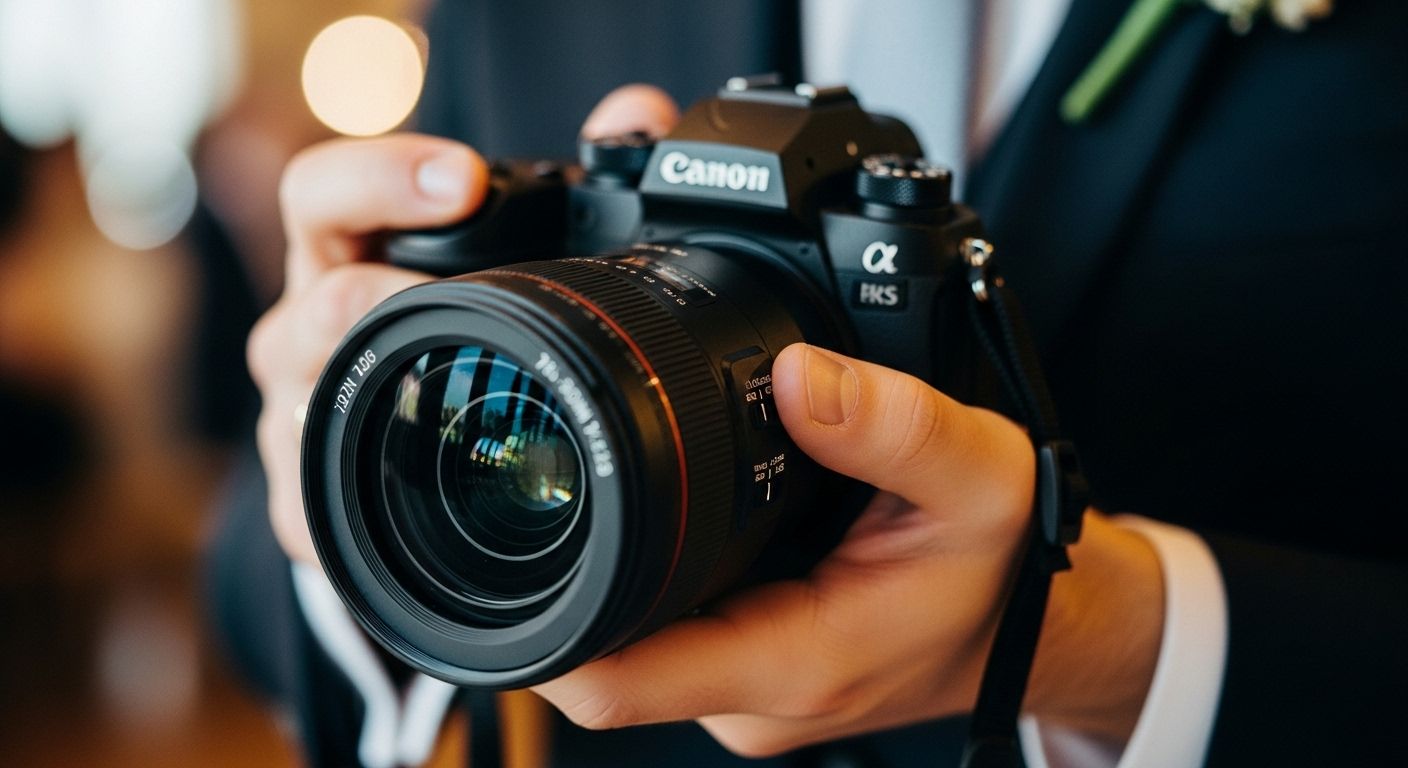
Quick sidebar: “What camera do most wedding photographers use?” You’ll spot Canon R5s, Sony A7 IVs, Nikon Z6 IIs all over the ‘Gram. But here’s the real tea: your camera doesn’t choose your lens—your vibe does. Full-frame folks might rock that 24-70mm f/2.8 L-series like it’s a second skin, while Fujifilm X-T5 die-hards swear by the 56mm f/1.2 for its dreamy, film-like soul. The best lens to use for wedding photography fits your rig like a well-broken-in pair of cowboy boots—but it’s your eye that turns snapshots into heirlooms. So next time the lighting’s trash? Don’t blame your body. Blame your f-stop. Just sayin’.
The Forgotten Hero: Why a 35mm Might Be Your All-Day Sidekick
Capturing Context Without Losing Connection
While everybody’s moonin’ over 85s, the 35mm’s out here doin’ the Lord’s work. It’s the go-to for shootin’ the bride lacing up her boots in a cozy Airbnb, catchin’ that tearful toast at the head table, or grabbin’ a wide-but-still-intimate shot of the whole ceremony under string lights. On full-frame, it’s wide enough to show the vintage chandelier and the couple sayin’ “I do”—but tight enough to keep Cousin Linda’s neon crop top outta frame (bless her heart). For storytellin’ that feels real, raw, and full of life, the best lens to use for wedding photography might just be the humble 35mm. It doesn’t just zoom in on the moment—it zooms out on the whole darn story.
Gear Lists from the Pros: What’s Actually in Their Bags?
Real-World Setups from Working Wedding Photographers
We did a little reconnaissance (shhh—don’t rat us out), and here’s the scoop: most working pros roll with a holy trinity. A 24-70mm f/2.8 for all-day versatility, an 85mm f/1.4 for soul-stirring portraits, and a 35mm f/1.4 for those in-the-moment candids. Some even toss in a 70-200mm f/2.8 to grab ceremony shots from the back without causin’ a scene. But the common thread? Every piece of glass is chosen for speed, reliability, and that unexplainable “wow” factor. ‘Cause when you’re booked for $3,000+ USD to capture someone’s forever, you don’t gamble with slow glass. The best lens to use for wedding photography is the one that’s got your back—even when the cake’s smokin’ and the DJ just dropped “Yakety Sax.”
| Lens | Focal Length | Typical Use | Why It’s Great |
|---|---|---|---|
| Canon RF 24-70mm f/2.8 | 24-70mm | Ceremony to reception | Versatile, sharp, fast |
| Sony 85mm f/1.4 GM | 85mm | Couple portraits | Buttery bokeh, dreamy compression |
| Nikon Z 35mm f/1.8 S | 35mm | Getting ready, candids | Context + intimacy |
Beyond Megapixels: Choosing Lenses That Match Your Aesthetic Soul
It’s Not About the Brand—It’s About the Feeling
At the end of the day, the best lens to use for wedding photography is the one that echoes your own damn heartbeat. Some folks go gaga for the surgical precision of Sony G Masters. Others chase the soft, painterly glow of vintage glass adapted to mirrorless bodies—like shooting through honey and nostalgia. Don’t chase specs; chase soul. Rent before you buy. Test ‘em in real light. And never forget: your couple hired *you*—not your camera, not your brand, not your fancy tripod. So whether you’re rockin’ glass from Valentin Chenaille, browsin’ the latest in Gear, or geekin’ out over our deep dive on Best Lens for Wedding Photos Bliss Capture, keep your heart glued to the viewfinder. ‘Cause love don’t give a hoot about your aperture—if it’s real, it’ll shine through even a beat-up 50mm from 2003. And that? That’s the whole dang point.
Frequently Asked Questions
Can you shoot a wedding with just a 50mm lens?
Technically, yes—you *can* shoot a wedding with just a 50mm lens, especially if you’re comfortable moving around and working in tight spaces. The 50mm offers a natural perspective and excellent low-light performance, making it great for portraits and intimate moments. However, for full coverage—ceremony wide shots, group photos, reception candids—you’ll likely miss flexibility. The best lens to use for wedding photography often includes multiple focal lengths, but a 50mm can absolutely work in a pinch or for minimalist shooters.
What camera do most wedding photographers use?
Most wedding photographers gravitate toward full-frame mirrorless cameras like the Canon EOS R5, Sony A7 IV, or Nikon Z6 II for their superior low-light performance, dynamic range, and reliable autofocus. These bodies pair beautifully with fast lenses to create the dreamy, emotional imagery couples crave. But regardless of brand, the key is choosing a system that complements your go-to best lens to use for wedding photography—because glass often matters more than the body.
What F stop to use for weddings?
There’s no single “correct” f-stop for weddings—it depends on the moment. For solo or couple portraits, f/1.4 to f/2.8 creates beautiful background separation. For group shots or ceremony wide angles, f/5.6 to f/8 ensures everyone’s in focus. The secret? Know your lens’s sweet spot and adjust based on depth of field needs. The best lens to use for wedding photography gives you both speed and flexibility to shift apertures without sacrificing image quality.
What lens is best for couples photography?
The 85mm f/1.4 (or f/1.8) is widely considered the gold standard for couples photography due to its flattering compression, gorgeous bokeh, and ideal working distance. It isolates the couple while keeping the background soft but recognizable—perfect for golden hour or dimly lit first dances. That said, a 50mm or 35mm can also shine in tighter spaces. Ultimately, the best lens to use for wedding photography for couples balances intimacy, sharpness, and emotional resonance.
References
- https://www.professionalphotography.net/wedding-lens-guide
- https://www.dpreview.com/articles/wedding-photography-gear
- https://www.imaging-resource.com/wedding-lens-roundup
- https://www.photographylife.com/wedding-photography-tips