Good Lens for Sports Photography: Action Freeze

- 1.
What Makes a Good Lens for Sports Photography?
- 2.
Breaking Down the Go-To Lenses NFL Photographers Swear By
- 3.
Can You Really Rely on a 50mm Lens for Sports Photography?
- 4.
The Sweet Spot Focal Length for Capturing the Perfect Sports Shot
- 5.
Why Aperture Matters More Than Megapixels in Sports Lenses
- 6.
Teleconverters: Friend or Foe for the Aspiring Sports Shooter?
- 7.
How Autofocus Speed and Accuracy Can Make or Break Your Shot
- 8.
Budget-Friendly Options That Still Deliver Pro-Level Performance
- 9.
Real-World Tips from the Sidelines: What the Pros Won’t Tell You
- 10.
Where to Go From Here: Gear, Community, and Growth
Table of Contents
Good Lens for Sports Photography
What Makes a Good Lens for Sports Photography?
Ever tried nabbin’ a quarterback mid-leap or catchin’ a sprinter blastin’ outta the blocks with that starter-kit lens? Yeah… total dumpster fire. Sports don’t wait—heck, they don’t even glance back. If your gear ain’t quick on its feet, you’re already late to the party. A good lens for sports photography ain’t just about zoomin’ in; it’s about guts, speed, and laser-sharp clarity. Think of it like a Kentucky Derby thoroughbred: you need endurance (that’s sharpness), lightning reflexes (fast AF), and a wide-open heart (hello, f/2.8). Telephotos like the 70-200mm, 100-400mm, or even prime 400mm lenses are the usual MVPs—but what really separates the big leaguers from the benchwarmers is how smooth they roll under Friday-night lights or moody overcast skies. Whether you’re shootin’ Little League in Des Moines or courtside at the Finals, your good lens for sports photography becomes the quiet partner that never misses a beat.
Breaking Down the Go-To Lenses NFL Photographers Swear By
Flip through any NFL highlight reel, and you’ll spot those massive white lenses stickin’ out like periscopes from the sidelines—clean, mean, and built for speed. Those bad boys? Canon 400mm f/2.8L or Nikon 400mm f/2.8E FL ED VR. Basically the Rolls-Royce of sports glass. Why? ‘Cause football’s played under dim stadium lights, across grassy fields the size of small towns, and with dudes moving faster than your coffee kicks in. You need a good lens for sports photography that’s f/2.8 or wider to freeze a 200-lb linebacker at 1/1000s without cranking ISO into the stratosphere. And don’t get me started on tracking—Sony’s 400mm f/2.8 GM OSS can follow a cornerback’s nameplate like it’s got GPS. Bottom line: NFL shooters don’t “carry” lenses—they arm up.
Can You Really Rely on a 50mm Lens for Sports Photography?
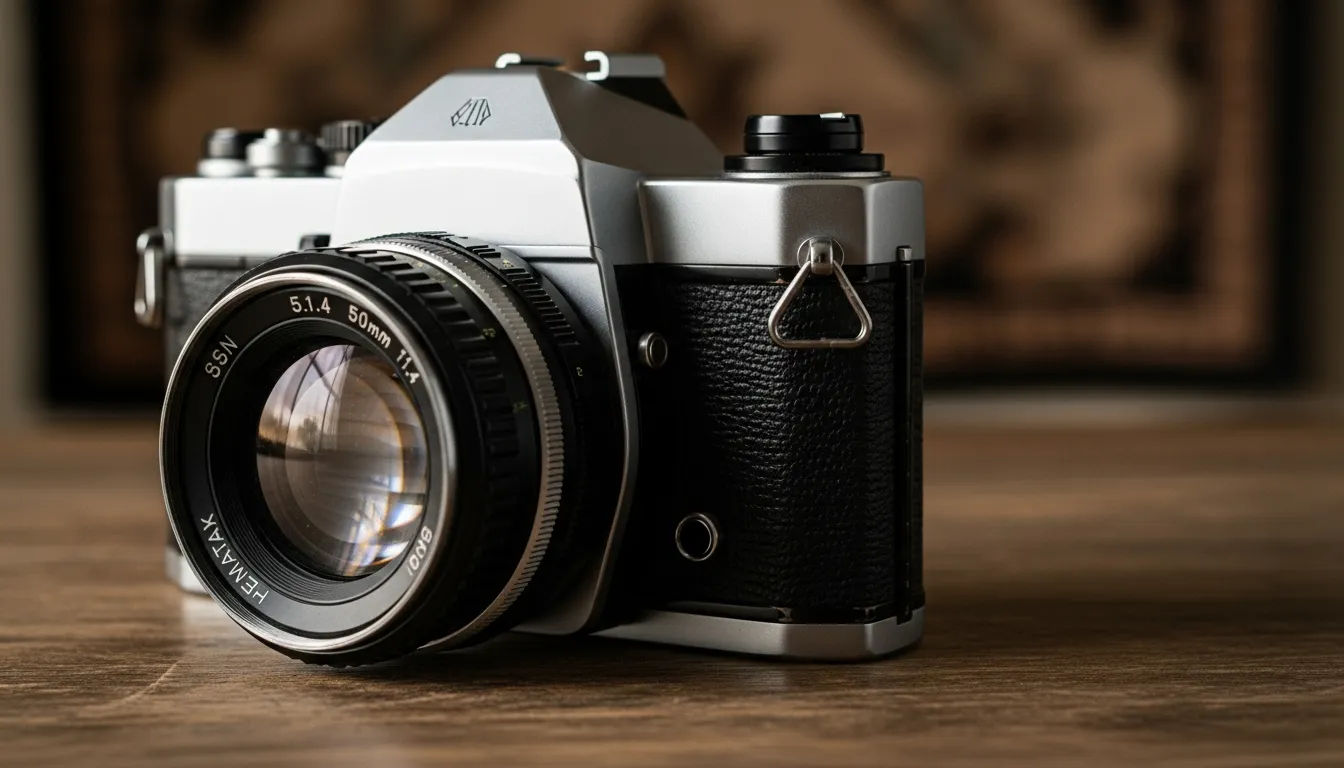
“Yo, I got this 50mm f/1.8—super sharp, dirt cheap, and fast as heck. Think I can shoot a high school hoops game with it?” Well… only if you’re chillin’ right behind the coach’s clipboard. Truth bomb: that 50mm might give you creamy dreamscapes for street portraits, but on the field? It’s like wearin’ sandals to a snowstorm—stylish, sure, but wildly impractical. Sports need reach, baby. Unless you’re shootin’ locker-room pep talks or post-whistle handshakes (which, hey, tell a story too!), the 50mm’s just not cuttin’ it as your main good lens for sports photography. If you’re strapped for cash or shooting indoor stuff like volleyball in a cramped gym, sure—you might scrape by. But you’ll be zoomin’ in post like your life depends on it, and nobody wants that pixelated mush.
The Sweet Spot Focal Length for Capturing the Perfect Sports Shot
So, what’s the magic number? Not too short, not too long—but juuust right, like Goldilocks pickin’ her oatmeal. Most grizzled photogs’ll tell ya: 70-200mm is the real MVP. Indoors? Nails basketball, hockey, or even indoor track. Outdoors? Handles soccer midfield chaos or 100m sprints like a champ. Need more oomph? Level up to 100-400mm—or even 150-600mm if you’re shootin’ from the cheap seats at a college football game. The kicker? Longer zoom usually means smaller apertures… unless you’re ready to drop four grand on glass. A true good lens for sports photography balances three things: reach that gets you close, speed that freezes motion, and reliability that won’t ghost you mid-game.
Why Aperture Matters More Than Megapixels in Sports Lenses
Let’s cut the fluff: your fancy 50MP sensor won’t save you if your star pitcher looks like a watercolor nightmare. In sports, light flickers, players blur, and your aperture? That’s your lifeline. An f/2.8 lens drinks in twice the light of an f/4—and that could mean 1/1000s shutter (crisp action) versus 1/500s (aka “modern art”). That’s why any legit good lens for sports photography rocks f/2.8 or wider. Yeah, f/4 lenses are lighter and kinder to your wallet, but they’ll shove you into ISO 3200 territory real quick—and suddenly your All-American looks like a static-y ghost from a ‘90s VHS. Not ideal.

Teleconverters: Friend or Foe for the Aspiring Sports Shooter?
“Just pop on a 1.4x teleconverter—boom, instant reach!” Sounds slick, huh? Kinda… but not really. Yeah, it stretches your 300mm into a 420mm, but it also steals light and softens the heck outta your image. That f/2.8? Now it’s f/4. Slap on a 2.0x? Congrats, you’re at f/5.6—slower than a Sunday drive through Nebraska. Sure, Canon, Nikon, and Sony make teleconverters that don’t totally wreck your IQ these days, but they still work best with high-end primes. Toss one on a budget zoom, and your good lens for sports photography might turn into a blurry, laggy disappointment. Pro tip: save your pennies for real glass instead.
How Autofocus Speed and Accuracy Can Make or Break Your Shot
Pic this: you’re trackin’ a breakaway in hockey. Your lens hunts… hunts… finally locks—right as the puck slams the net. *Ugh.* In sports, autofocus ain’t fancy—it’s survival. Systems like Canon’s Dual Pixel AF or Sony’s Real-time Tracking? Straight-up witchcraft. A good lens for sports photography syncs with your camera’s brain like bacon and eggs—just works. Hunt for lenses with ultrasonic motors (USM, SWM, XD Linear) and focus limiters you can tweak mid-game. And if your lens sounds like a blender full of LEGOs? Time to upgrade. Quiet + quick = winning combo.
Budget-Friendly Options That Still Deliver Pro-Level Performance
Let’s be real—not everyone’s rockin’ a trust fund or a side hustle selling NFTs. Good news? The gear game’s gotten way more chill. Tamron’s 70-180mm f/2.8 Di III VXD (Sony E-mount) costs under $1,200 and punches like it costs twice that. Sigma’s 100-400mm f/5-6.3 DG DN OS? Lightweight, sharp as a tack, and under $800. Even used Canon EF 70-200mm f/2.8L IS II lenses still hold up like your grandpa’s truck. These ain’t “meh” options—they’re legit good lens for sports photography picks for weekend warriors, college photogs, and semi-pros grindin’ the sidelines. Just remember: buy the best glass you can swing *today*, not the one you’ll outgrow by next season.
Real-World Tips from the Sidelines: What the Pros Won’t Tell You
Here’s the lowdown: the pros cheat—well, not really, but they prep like Navy SEALs. Football shooters often pre-focus on the 20-yard line ‘cause that’s where touchdowns are born. Basketball shooters study player habits—so they’re ready the second Steph pulls up from half-court. And monopods? Not a crutch—lifesavers during three-hour doubleheaders in 90° heat. Oh, and shoot in RAW. Every. Single. Time. That extra data’s your safety net when the gym lights flicker or sunset turns golden-hour into chaos. A good lens for sports photography is only half the equation—you gotta know how to move with it, too.
Where to Go From Here: Gear, Community, and Growth
If you’re dead set on upping your sports photography game, start hangin’ with the right crowds, watch reviews with a skeptic’s eye, and—most importantly—shoot till your fingers cramp. Missed shots? That’s tuition. Blurry frames? Free lessons. Gear’s just metal and glass—it’s what you do with it that counts. That said, don’t sleep on smart upgrades. Peep Valentin Chenaille for no-BS takes on gear that cuts through the marketing fog. Dive into our Gear section for honest breakdowns on optics worth your hard-earned dough. And if you’re eyeing other fast-paced genres, don’t skip our deep dive on Best Camera for Wild Photography Beast Hunt—‘cause trackin’ a grizzly or a gridiron safety? Same adrenaline, different jersey.
Frequently Asked Questions
What lens do most sports photographers use?
Most professional sports photographers rely on telephoto zooms like the 70-200mm f/2.8 or super-telephotos such as the 400mm f/2.8. These lenses offer the ideal blend of reach, speed, and autofocus performance, making them a trusted good lens for sports photography across stadiums and arenas worldwide.
What lens do NFL photographers use?
NFL photographers typically use massive prime lenses like the Canon EF 400mm f/2.8L IS III or Nikon AF-S NIKKOR 400mm f/2.8E FL ED VR. These lenses provide the fast aperture and reach needed to capture crisp action from the sidelines under low-light stadium conditions—a true good lens for sports photography in high-stakes environments.
Can I use a 50mm lens for sports photography?
While a 50mm lens is fantastic for portraits or low-light candids, it’s generally too short for most sports unless you’re shooting from extremely close range. For meaningful action coverage, you’ll need more reach—so a 50mm alone isn’t considered a reliable good lens for sports photography in most competitive settings.
What focal length is best for sports photography?
The best focal length depends on the sport and your position, but 70-200mm is widely regarded as the sweet spot for indoor and mid-field action. For football, baseball, or track, 100-400mm or even 150-600mm may be necessary. Ultimately, the right choice ensures you get close without stepping onto the field—making it a practical good lens for sports photography across scenarios.
References
- https://www.nikonusa.com/en/learn-and-explore/a/tips-and-techniques/sports-photography-lens-guide.html
- https://www.canon-europe.com/pro/infobank/sports-photography-lens-guide/
- https://www.dpreview.com/articles/5639854721/best-lenses-for-sports-photography
- https://petapixel.com/guides/sports-photography-gear