Best Camera Lens for Car Photography: Speed Beauty

- 1.
Why Every Shot of a Sleek Machine Deserves More Than Just a Phone Snap
- 2.
The Lowdown on Focal Lengths: How Your Field of View Changes the Game
- 3.
Is a 50mm Prime Lens Good for Car Photography? Let’s Break It Down
- 4.
What Makes 35mm a Street-Savvy Pick for Auto Imagery
- 5.
Can an 85mm Lens Really Elevate Your Car Portraits?
- 6.
The Truth About Zoom Lenses in the Auto Photography Scene
- 7.
Aperture, Bokeh, and Why Glass Quality Ain’t Just Marketing Fluff
- 8.
Mount Matters: Why Your Camera Brand Dictates Your Lens Love Life
- 9.
Real Talk: Budget vs. Performance—Where Should You Splurge?
- 10.
Beyond the Glass: Gear, Angles, and the Soul of the Shot
Table of Contents
best camera lens for car photography
Why Every Shot of a Sleek Machine Deserves More Than Just a Phone Snap
Ever tried snapping a pic of a shiny red Porsche with your phone and ended up with a blurry blob that looks like a melted crayon? Yeah, we’ve all been there—stood in a parking lot like confused tourists, fingers fumbling on smudged screens, wondering why this beauty don’t look half as gorgeous on feed. Well, here’s the kicker: capturing the soul of speed, curves, and chrome ain’t about how many megapixels your iPhone boasts. Nah, it’s about choosing the best camera lens for car photography—a tool that doesn’t just see metal, but feels its story. Whether you’re parked in downtown Miami shooting lowriders or waiting on a foggy Nürburgring bend for a Lambo to scream past, your glass makes all the difference. And trust us, folks—when folks scroll past your post, you wanna hear that internal gasp, not that bored swipe.
The Lowdown on Focal Lengths: How Your Field of View Changes the Game
Let’s keep it real—picking the best camera lens for car photography starts with understanding focal length, because not every lens hugs curves the same way. A wide-angle (like 16–24mm) stretches reality, making wheels look like they’re bursting out of the frame—great for dramatic shots in tight garages or urban alleys. But go too wide, and your Mustang looks like it just survived a funhouse mirror. On the flip side, telephotos (70–200mm) compress distance, perfect for isolating that Ferrari on a long desert highway without distorting its lines. The sweet spot? Often between 35mm and 85mm. But hey, don’t just take our word for it—let’s unpack these fan-fave primes next.
Is a 50mm Prime Lens Good for Car Photography? Let’s Break It Down
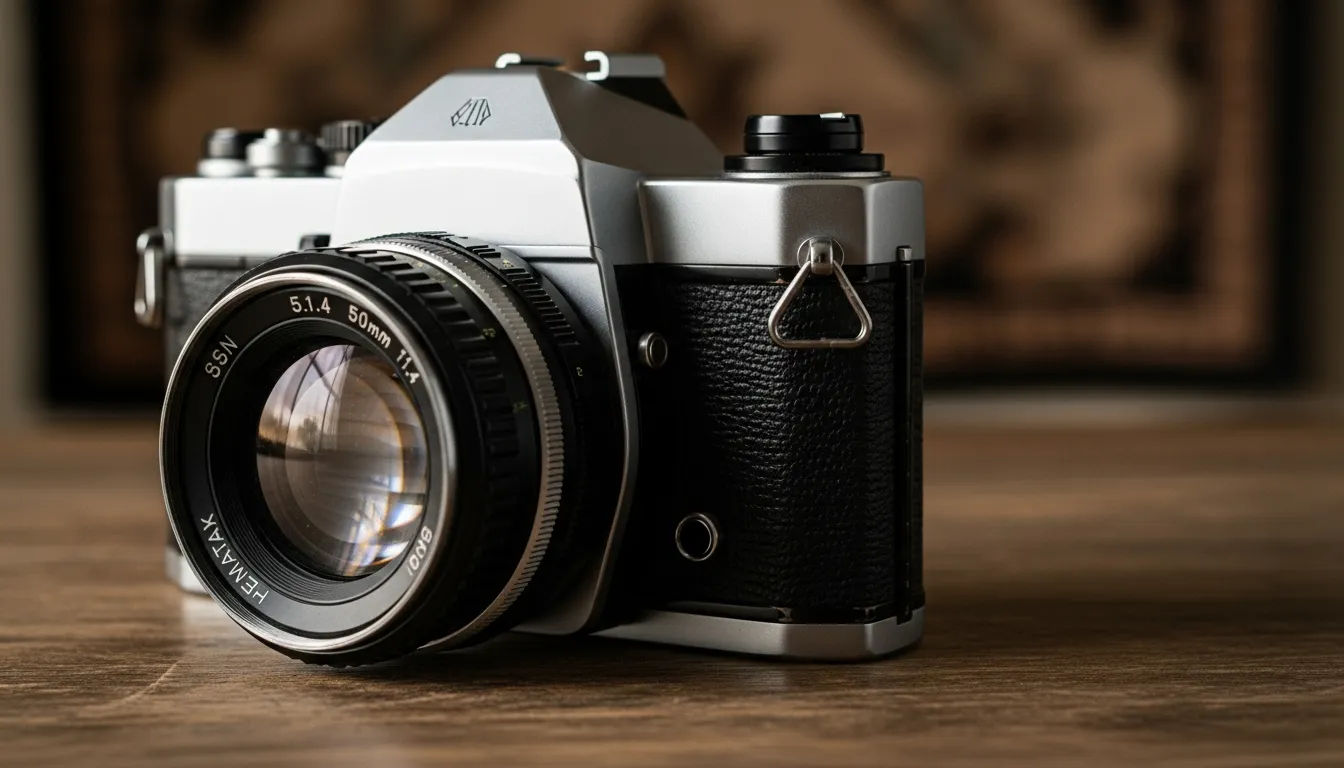
Ask any street photographer or film bro, and they’ll swear by their nifty fifty like it’s holy water. And truth be told, a 50mm prime lens is wicked versatile for car photography—especially if you’re working solo or on a budget. With its natural perspective (close to human vision), it doesn’t warp lines like wide lenses do, which means your classic Camaro stays true to its shape. Plus, those buttery bokeh backgrounds at f/1.8? Chef’s kiss. The catch? You gotta move your feet—no zoom means you’re dancing around the car, finding angles like a choreographer. But that’s part of the fun, ain’t it? For static shots or dusk-lit detail work, the 50mm holds its own in the best camera lens for car photography conversation.
What Makes 35mm a Street-Savvy Pick for Auto Imagery
If the 50mm is the quiet poet, then the 35mm is the loud, energetic cousin who’s always got a story. Slightly wider, it captures more context—perfect when you wanna show off that mint ’67 Charger and the neon sign behind it on Route 66. It’s the go-to for editorial-style car shots, where environment matters as much as the machine itself. Japanese street shooters love this focal length for blending motion, mood, and metal. And with modern 35mm primes offering f/1.4 apertures, you get depth without losing that “I’m right here” intimacy. Just watch your edges—distortion creeps in if you’re too close to the front bumper. Still, for candid meets composition, the 35mm earns its stripes in the best camera lens for car photography lineup.
Can an 85mm Lens Really Elevate Your Car Portraits?
Y’all ever seen those magazine covers where the car looks like it’s staring right into your soul? Nine times outta ten, that’s an 85mm at work. Dubbed the “portrait king,” this focal length flattens perspective beautifully—ideal for highlighting body lines without exaggeration. It’s especially killer for capturing reflections on glossy paint or close-ups of emblems and taillights. Stand back, open up to f/1.2 or f/1.4, and boom—you’ve got creamy bokeh that turns parking lots into dreamscapes. Downsides? You need serious real estate. Try using an 85mm in a cramped city garage, and you’ll be backing into traffic like “whoops!” But on open roads or studio setups? The 85mm flexes hard as part of the best camera lens for car photography arsenal.

The Truth About Zoom Lenses in the Auto Photography Scene
Okay, primes are dope—but let’s not sleep on zooms. Not every shoot lets you park your tripod and wait for golden hour. Sometimes you’re at a track day, dodging cones and photographers, needing to switch from wide hero shots to tight wheel close-ups in seconds. That’s where a trusty 24–70mm f/2.8 or 70–200mm f/2.8 zoom saves your bacon. Sure, they’re heavier and pricier than primes, but their flexibility? Unmatched. Modern G-series or RF-mount zooms now rival primes in sharpness, especially stopped down to f/4 or f/5.6. So if your motto is “shoot fast, adapt faster,” then yeah—zooms absolutely belong in your hunt for the best camera lens for car photography.
Aperture, Bokeh, and Why Glass Quality Ain’t Just Marketing Fluff
Let’s talk glass—because not all lenses are created equal, even at the same focal length. A budget 50mm might cost $125, but a Sigma Art or Sony GM version? More like $900. And here’s why: micro-contrast, chromatic aberration control, and build quality. When light hits a polished hood at sunset, cheap glass can flare like crazy or render highlights as mush. Premium lenses? They hold detail in shadows, keep colors crisp, and deliver that velvety bokeh that makes wheels melt into the background. For the best camera lens for car photography, aperture matters—but so does how that aperture *performs*. f/1.8 sounds sweet until you see purple fringing all over your shot. Spend smart, not just cheap.
Mount Matters: Why Your Camera Brand Dictates Your Lens Love Life
Sony shooter? You’re swimming in G Master options. Canon RF users? That 28–70mm f/2 L is a beast. Nikon Z? Their 50mm S-line is stupid sharp. But if you’re rocking a vintage Leica M or adapting old Minoltas, your game changes entirely. Mount compatibility locks you into ecosystems—and some brands simply offer better native support for auto photography. Mirrorless systems now dominate with silent shutters, focus peaking, and real-time histograms, all crucial when you’re chasing reflections on moving metal. Bottom line: your camera body narrows the playing field. So before you drool over that Zeiss Otus (yes, it’s dreamy), ask: “Will it even talk to my camera?” The best camera lens for car photography is the one that actually fits—and communicates—with your rig.
Real Talk: Budget vs. Performance—Where Should You Splurge?
Look, we get it—not everyone’s rolling with a trust fund and a lens locker. But here’s a hot take: you don’t need the most expensive glass to nail sick car shots. A used Canon EF 24–105mm f/4L, a Tamron 35mm f/1.8 Di III, or even a Nikon 50mm f/1.8G can deliver 90% of pro results for 30% of the price. Table time:
| Lens | Price (USD) | Best For | Car Photo Verdict |
|---|---|---|---|
| Sigma 35mm f/1.4 DG HSM Art | $899 | Street + Detail | 🔥 Elite choice |
| Tamron 28–75mm f/2.8 Di III VXD | $849 | Versatile Zoom | 💪 Budget hero |
| Canon RF 50mm f/1.2L | $2,299 | Low Light Glam | 💸 Overkill? Maybe. |
| Nikon Z 24–70mm f/4 S | $1,046 | Travel + Events | ✨ Solid middle ground |
See? You can chase the best camera lens for car photography without selling a kidney. Prioritize versatility, rent before you buy, and remember: light, angle, and timing beat expensive glass every time.
Beyond the Glass: Gear, Angles, and the Soul of the Shot
Let’s not pretend it’s all about the lens. The best camera lens for car photography is just one gear in the machine. Tripods? Essential for long exposures at night. Polarizers? They kill glare on wet paint like magic. And angles? Get low. Like, tire-level low. Shoot from the rear three-quarter for that aggressive stance, or front-center to emphasize grilles and headlights. And don’t forget—cars have personality. A lifted Bronco wants wide and rugged; a McLaren 765LT craves shallow depth and moody contrast. Oh, and while we’re at it: want more gear wisdom? Start at the Valentin Chenaille homepage. Dive deeper into optics over at the Gear section. Or, if you’re into other kinds of motion, check out our piece on Good Lenses for Wildlife Photography Jungle Gems—because chasing lions ain’t so different from chasing V12s.
Frequently Asked Questions
Is a 50mm prime lens good for car photography?
Absolutely—it’s a fantastic all-rounder! The 50mm prime lens offers a natural field of view that keeps car proportions accurate, making it ideal for static shots, detail close-ups, and low-light environments common in garage or dusk photography. With wide apertures like f/1.8, it delivers beautiful background blur while staying compact and affordable. That’s why it’s a staple in the best camera lens for car photography toolkit.
Is 35mm good for car photography?
Yep, especially if you love context. The 35mm focal length captures more of the environment—perfect for street-style car photography where location, mood, and background matter. It’s slightly wider than 50mm, so you can step back less while still showing the full vehicle. Just watch for minor distortion up close. Overall, it’s a dynamic, expressive pick in the hunt for the best camera lens for car photography.
Is an 85mm lens good for car photography?
It shines for portraits of cars—yes, cars have portraits! The 85mm compresses perspective beautifully, ideal for highlighting curvaceous body lines or shooting reflective surfaces without distortion. It’s less practical in tight spaces but unbeatable on open roads or in studios. With fast apertures (f/1.2–f/1.8), it creates dreamy bokeh that isolates the vehicle like a Hollywood star. Definitely a contender for the best camera lens for car photography in controlled settings.
What is the best camera for taking photos of cars?
While lens choice is critical, the best camera for taking photos of cars should offer high dynamic range, excellent low-light performance, and reliable autofocus—especially for moving subjects. Full-frame mirrorless cameras like the Sony A7 IV, Canon EOS R6 Mark II, or Nikon Z6 II are top picks. But don’t sleep on APS-C options like the Fujifilm X-T5 if you’re budget-conscious. Ultimately, pair your body with the best camera lens for car photography, and you’re golden.
References
- https://www.dpreview.com/articles/car-photography-lens-guide
- https://petapixel.com/2024/03/12/best-lenses-for-automotive-photography
- https://fstoppers.com/automotive/ultimate-guide-lens-selection-car-photography-583210
- https://www.bhphotovideo.com/explora/photography/tips-and-solutions/car-photography-essentials